
Pregnancy
Hospital bag checklist for the last month of pregnancy
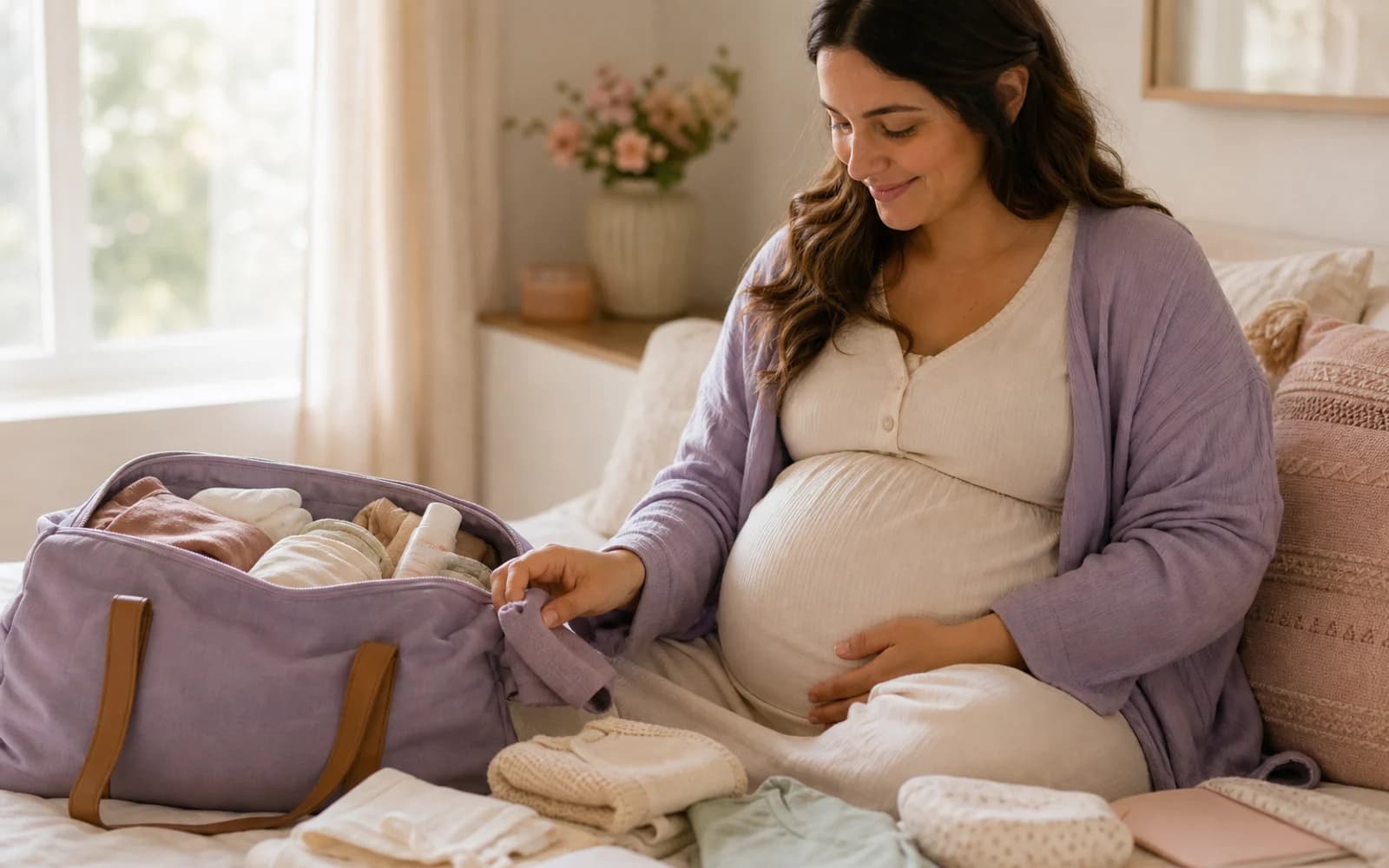
A practical, calm hospital bag list for labour and birth — what to pack for you, baby, and your partner, plus what can stay at home until you are actually in labour.
Key takeaways
- 1Pack in layers: early labour comforts, birth essentials, and post-birth recovery items.
- 2Keep documents, phone chargers, and snacks easy to grab — not buried at the bottom.
- 3Your hospital may provide some items; check local guidance rather than overpacking.
- 4Install and check the car seat before discharge day — not in the hospital car park.
- 5Partners need a small packing list too — labour is long and hospitals can be cold.
The bag can sit by the door for weeks, half finished, silently judging you. A good checklist reduces midnight panic — and stops you packing the entire nursery for a two-day stay.
Hospital bag lists on the internet are often generic. Your unit may supply gowns, towels, or nappies; partners may or may not be able to stay overnight. A calm, layered list — for labour, birth, recovery, and going home — beats one overwhelming pile of maybes.
Why packing early in the last month helps
Labour timing is unpredictable. Having documents, phone chargers, and basic toiletries ready means you can focus on contractions rather than searching drawers at 2am. RCOG information on going into labour emphasises knowing when to come in — the bag should be the easy part.
Packing also gives partners a concrete role. Shared preparation reduces the sense that birth is something happening to you rather than with you. Split the list: one person handles baby items, another handles labour comforts and paperwork.
A half-packed bag is still progress. Start with the non-negotiables — notes, ID, charger — and add the rest in layers as you learn what your hospital actually provides.
What to pack for labour and birth
- Maternity notes, ID, and birth plan copies if you use one
- Loose nightdress or top for skin-to-skin and monitoring access
- Slippers, socks, and a warm layer — hospital rooms can be cold
- Hair ties, lip balm, and a refillable water bottle with straw if preferred
- Snacks for labour and post-birth if hospital policy allows
- Phone charger with a long cable; consider a portable battery pack
- TENS machine if you plan to use one and your unit permits it
- Toiletries, maternity pads, and comfortable underwear for after birth
For baby and going home
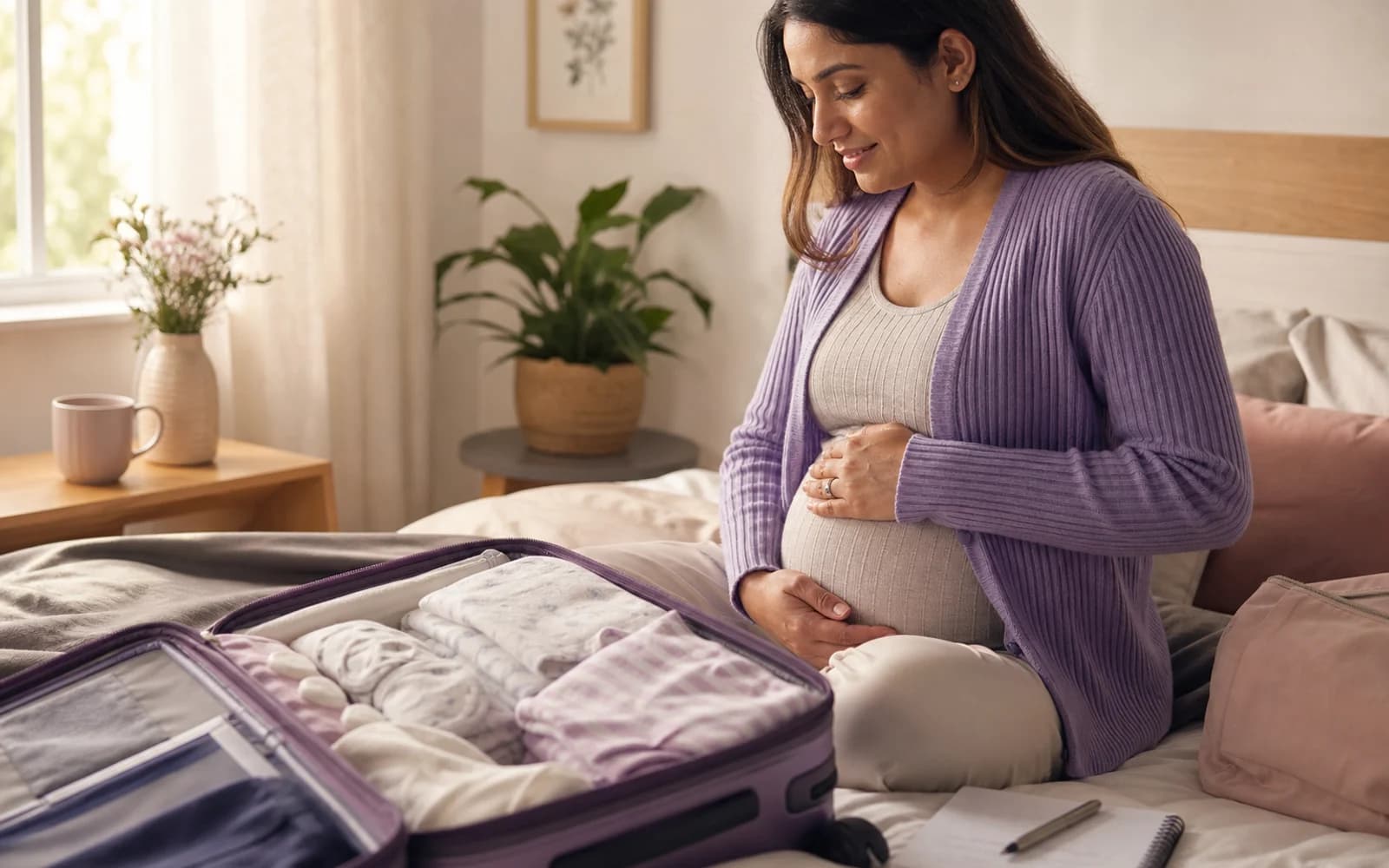
- Several newborn vests and sleepsuits — hospitals often provide nappies initially
- Muslin cloths and a cardigan or hat depending on season
- Car seat installed and checked before discharge day
- Going-home outfit sized for newborn, not preemie unless needed
- Blanket for the journey home — not a thick duvet that overheats
Install the car seat before labour starts if you can. Discharge day is a poor time to read instruction booklets in a car park. Practice buckling a doll or stuffed toy if that helps confidence.
Partner packing list
Labour is long. Hospitals are cold. Partners need snacks, a charger, a layer change, and patience supplies — book, headphones, cash for vending machines. If overnight stays are allowed, add toothbrush and a thin blanket. Their comfort supports yours.
What to prepare first if time is short
If you only pack one evening, prioritise: maternity notes, charger, toiletries, maternity pads, baby vests, and the car seat installed. Everything else can be delivered by a partner or friend after you are admitted. Perfection is not the goal — functional arrival is.
Leave a note on the fridge for pet care, older children, and who holds spare keys. Labour brain forgets details you normally track automatically.
Caesarean and longer-stay adjustments
Planned caesarean may mean extra underwear, high-waisted soft pants that do not rub the incision, and a longer phone cable for bed rest. Ask whether you will have a catheter initially and pack loose layers easy to change lying down.
If baby may need special care, pack a small bag for partner to follow neonatal unit rules — often minimal clutter and easy hand-washing access.
Tommy's and NHS both stress checking local hospital lists yearly — policies on TENS, food, and partner overnight stays change. A two-minute call to birth centre admin saves overpacking.
What NHS, RCOG, and Tommy's guidance says
NHS hospital bag guidance lists essentials for parent and baby and notes that hospitals provide some items — check locally. Tommy's packing list adds partner considerations and reminders about feeding support if breastfeeding is planned. RCOG labour information covers when to contact the unit and what to bring to triage, reinforcing that notes and identification should be instantly findable.

All sources agree: overpacking creates clutter; underpacking documents creates stress. Aim for functional, not cinematic.
When to repack or call the unit
Revisit the bag if you develop complications that change birth location — for example, planned caesarean may mean a longer stay. Call ahead if you are unsure whether an item is allowed or if partner staying overnight affects what you need.
Digital copies and backup plans
Photograph maternity notes and birth preferences stored in the cloud in case paper stays in another bag. Save triage numbers in your phone under favourites. RCOG labour leaflets recommend knowing when to come in — technology fails at the worst moments.
NHS packing guidance lists essentials rather than luxury items — if space is tight, skip the elaborate outfit changes and keep pads, notes, and baby layers.
Velenya's journey tools can sit alongside a paper checklist — but the bag by the door is still the item you will thank yourself for at 4am when contractions tighten.
A half-ready bag beats a perfect list still in your head — start with notes, charger, and pads tonight.
References
Primary guidance from clinical organisations. Always follow the advice of your own care team.
Medical disclaimer
Velenya Journal shares general wellness information to help you feel prepared — not personalised medical advice. It does not diagnose, treat, or replace your midwife, doctor, or emergency services. Guidance can vary by country and your health history. If something feels wrong, contact your care team the same day; for emergencies, call your local emergency number.